The Best Beginner Workout Bench Setups for Small Spaces, Apartments & Home Gyms
Introduction
A workout bench is one of the most important pieces of equipment in any home gym — even more important than flashy machines or expensive cardio equipment. For beginners, a solid bench unlocks dozens of exercises you simply can’t perform effectively on the floor: chest presses, rows, hip thrusts, Bulgarian split squats, incline presses, and more.
But here’s the good news: you don’t need a bulky, expensive commercial bench to get started. Whether you live in a studio apartment, a small bedroom, or a garage, there is a bench setup that fits your budget, your space, and your training goals.
This guide breaks down the best types of benches, what features beginners should prioritize, which accessories are worth adding, how to set up your bench in small spaces, and how to use your bench for a full-body program.
Let’s get you set up right.
SECTION 1 — Why Every Beginner Needs a Bench (Even Before Buying a Barbell)
A bench upgrades your home gym instantly. Here’s why:
1. It expands your exercise selection by 10×
With a bench you can perform:
- incline/flat dumbbell press
- rows
- hip thrusts
- step-ups
- seated curls
- overhead press
- Bulgarian split squats
- triceps extensions
You go from 20 possible exercises to nearly 200.
2. It improves form and stability
Training on the floor limits your range of motion. A bench allows:
- deeper chest press
- proper back support
- stable shoulder position
- smoother leg drive
You train safer and more effectively.
3. It allows beginners to progress faster
Many foundational movements feel awkward on the floor. A good bench makes training more comfortable — meaning you stick with it longer.
4. It stores easily
Modern foldable benches take up almost no space and slide:
- under beds
- behind couches
- into closets
- next to desks
5. You DO NOT need a rack at first
A rack is a long-term upgrade.
A bench + dumbbells = the perfect beginner foundation.
SECTION 2 — The 3 Types of Workout Benches Beginners Should Consider
There are dozens of bench styles, but beginners only need to evaluate three.
1. Flat Bench (Simple & Affordable)
A flat bench is exactly what it sounds like — a fixed, non-adjustable bench with a flat pad.
Pros:
- Cheapest option
- Very stable
- Lightweight
- Perfect for hip thrusts, rows, presses
Cons:
- No incline or decline positions
- Less exercise variety
- Harder to progress upper chest training
Best For:
Beginners on a tight budget or people with limited space.
👉 See affordable flat benches on Amazon
2. Adjustable Bench (The Best Overall Choice)
This is the most versatile bench type, capable of incline, flat, and sometimes decline positions.
Pros:
- Maximum exercise variety
- Great for incline press
- Supports a full dumbbell program
- Perfect for small home gyms
Cons:
- Slightly more expensive
- Lower-end models can be wobbly
Best For:
Almost all beginners — the value is unbeatable.
👉 Adjustable benches on Amazon
3. Foldable Bench (Great for Apartments & Bedrooms)
Foldable benches collapse into a flat shape for easy storage.
Pros:
- Perfect for small apartments
- Stores behind a door or under a bed
- Lightweight and portable
Cons:
- Less stable than fixed benches
- Not ideal for heavy lifters
Best For:
If you live in an apartment or shared home where space matters.
SECTION 3 — What Features Matter Most for Beginners?
Don’t get tricked by marketing. These are the ONLY features beginners need to focus on:
1. Weight Capacity
Look for 500–800 lbs total capacity.
This includes:
- your bodyweight
- the dumbbells you’re holding
Even if you’re nowhere near that weight, higher capacity = better durability.
2. Stability
Wobble = bad form + injury risk.
Look for:
- wide rear base
- rubberized feet
- steel frame
- minimal pad wobble
3. Adjustability
Beginners need at least:
- flat
- incline (30° and 45°)
- upright/seated
Decline is optional, not required.
4. Pad Length
Your head and upper back must rest comfortably.
Ideal pad length: 47–52 inches
5. Foldability (Optional)
If you’re in an apartment, this becomes a top priority.
SECTION 4 — Best Beginner Bench Setups by Budget
Let’s build complete setups based on your budget and space.
⭐ Budget Setup ($120–$180 Total)
This is perfect for college students, apartment living, or beginners starting simple.
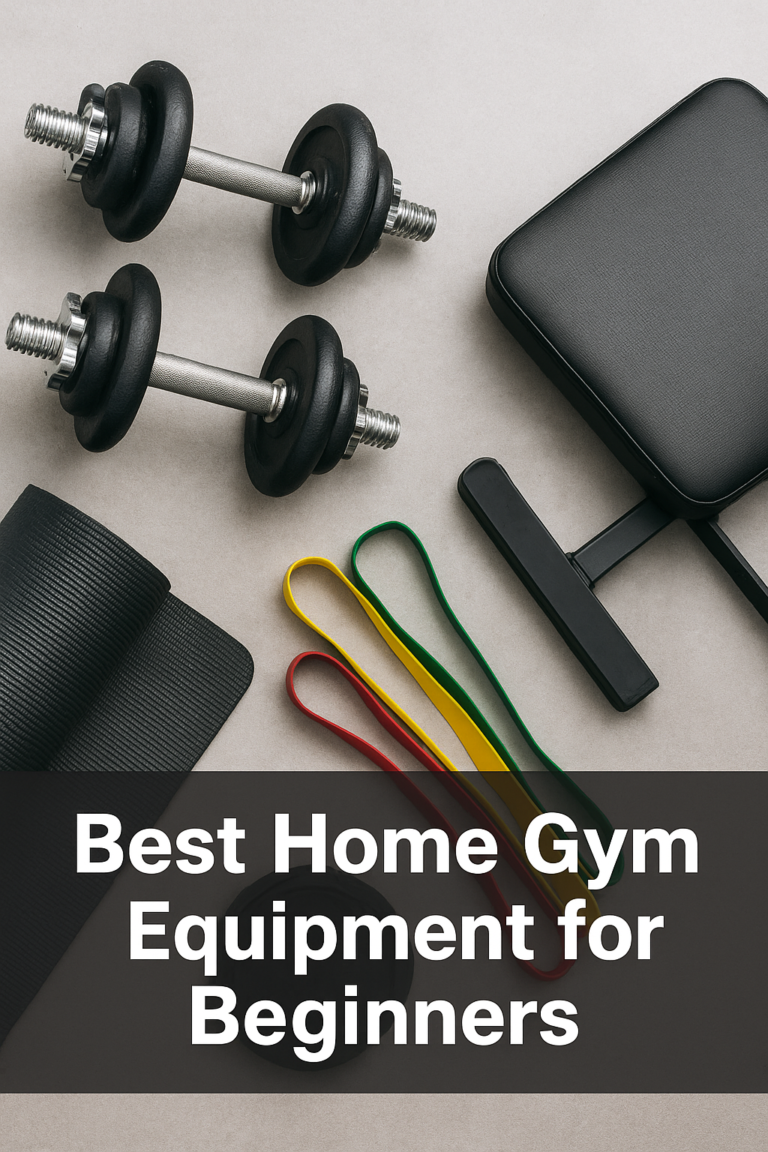
You will need:
- Foldable or flat bench
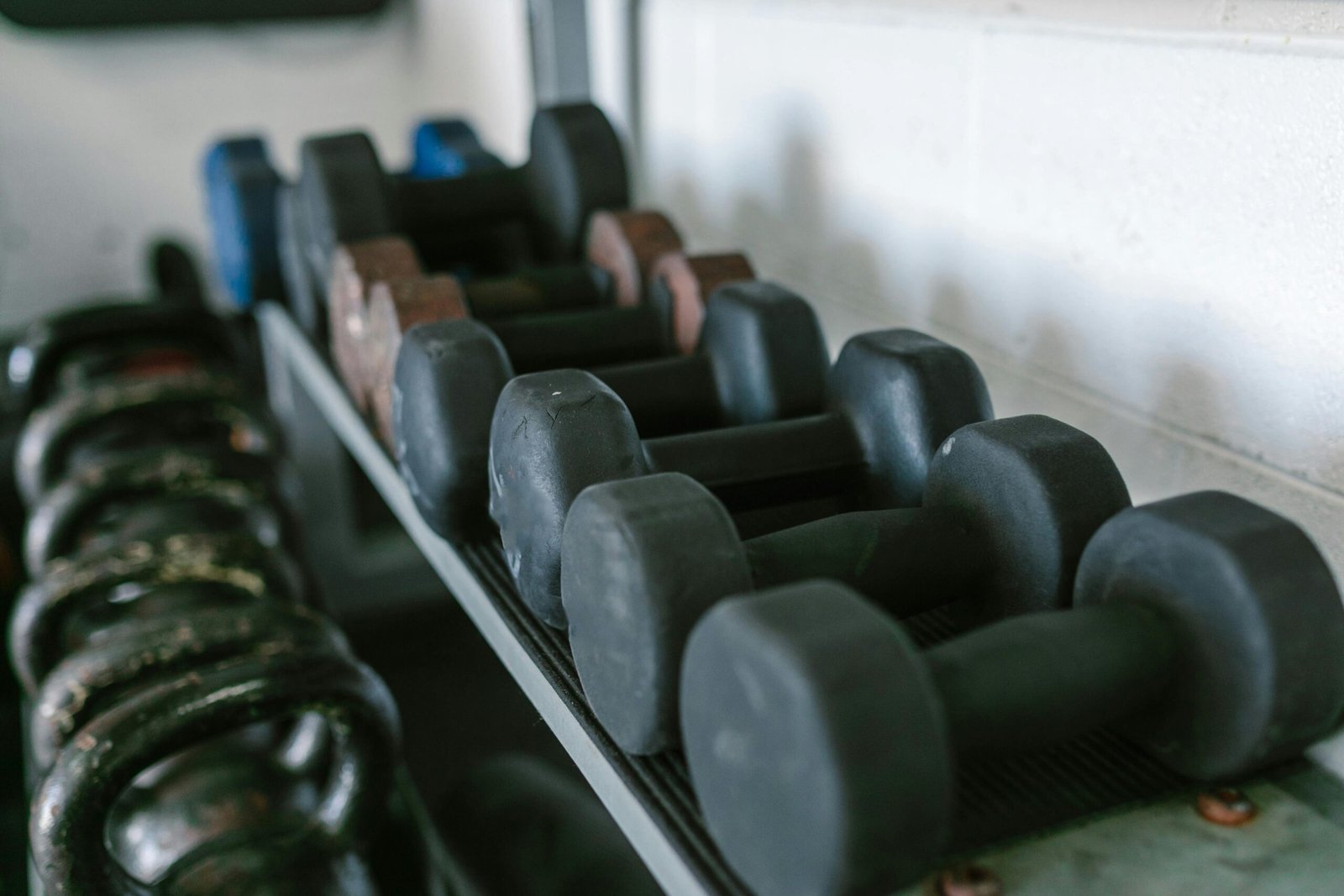
- One set of adjustable dumbbells
- Resistance bands
- Floor mat (optional but recommended)
Benefits
- takes up minimal space
- lightweight equipment
- perfect foundation for full-body training
⭐ Mid-Range Setup ($200–$350 Total)
The ratio of value-to-quality is highest in this tier.
You will need:
- Adjustable bench (multi-angle)
👉 (insert affiliate link) - Adjustable dumbbells (55 lbs each)
- Resistance bands
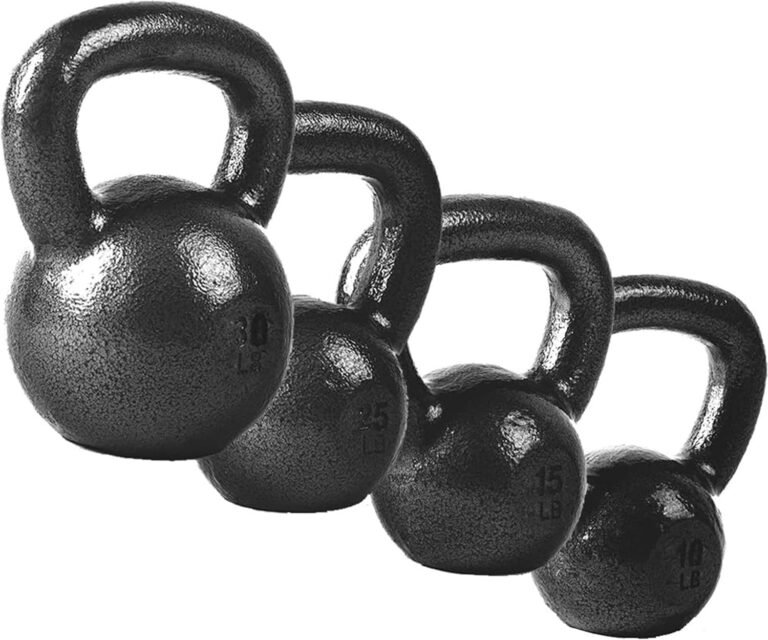
👉 (insert affiliate link) - Mat + small kettlebell
👉 (insert affiliate link)
Benefits
- maximum exercise variety
- better progression options
- durable enough for years
⭐ Premium Beginner Setup ($350–$600 Total)
For people who want room to grow.
You will need:
Benefits
- long-term stability
- supports heavy training later
- closest to commercial gym feel
SECTION 5 — Where to Put Your Bench (Layout Ideas)
People underestimate how flexible a bench setup can be. Here are layouts for every type of living space.
1. Apartment / Small Bedroom Layout
- Place the bench against a wall
- Keep dumbbells behind the bench
- Store bands in a drawer
- Put the mat under the bed
Floor space needed: 4 ft × 6 ft
2. Living Room Corner Layout
- Keep bench folded behind couch
- Dumbbells under coffee table
- Mat rolled up next to TV stand
Floor space needed: 5 ft × 8 ft
3. Garage Gym Starter Layout
- Bench stays open at all times
- Dumbbells on a small rack
- Jump rope or kettlebell stored in corner
- Rubber floor tiles optional but ideal
Floor space needed: 6 ft × 10 ft
4. Office Gym Layout
- Bench stays folded when not in use
- Dumbbells under desk
- Bands in drawer
- Mat behind door
Floor space needed: 4 ft × 8 ft
SECTION 6 — How to Use Your Bench for a Full-Body Beginner Program
Here is a complete 3-day training plan using ONLY:
- bench
- dumbbells
- bands
- mat
Day 1 — Upper Body Strength
- Dumbbell Bench Press — 3×10
- One-Arm Dumbbell Row — 3×12/side
- Seated Shoulder Press — 3×10
- Incline Dumbbell Flyes — 3×12
- Band Pull-Aparts — 3×15
- Seated Bicep Curls — 3×12
- Overhead Triceps Extensions — 3×12
Day 2 — Lower Body + Core
- Bulgarian Split Squats — 3×12/side
- Dumbbell Romanian Deadlifts — 3×10
- Step-Ups — 3×12/side
- Dumbbell Hip Thrusts — 3×15
- Glute Bridges — 3×12
- Planks — 3×30 sec
- Leg Raises — 3×12
Day 3 — Full-Body Conditioning
- Dumbbell Thrusters — 3×10
- Incline Press — 3×10
- Renegade Rows — 3×8/side
- Dumbbell Swings — 3×15
- Bench Dips — 3×12
- Mountain Climbers — 3×30 sec
SECTION 7 — Common Mistakes Beginners Make When Buying a Bench
Avoid these and you’ll save money AND frustration.
❌ 1. Buying a bench without checking weight capacity
Even beginners need stability.
❌ 2. Choosing the cheapest bench available
It WILL wobble.
❌ 3. Ignoring pad width and length
If you’re tall, some benches feel tiny.
❌ 4. Buying a decline bench “just because”
Decline movements are optional.
❌ 5. Thinking you need a rack from day one
You don’t.
SECTION 8 — Accessories That Pair Perfectly with a Bench
These are optional additions that elevate your training.
1. Dumbbell Stand / Rack
Only needed later, but helpful.
2. Resistance Bands
Perfect for shoulder warmups and chest activation.
3. Floor Tiles / Rubber Mat
Protects flooring and improves stability.
4. Ankle Weights
Useful for core and leg accessory work.
5. Portable Fan
Game changer for garage gyms.
Conclusion
A workout bench is one of the smartest early investments for any beginner building a home gym. It unlocks dozens of exercises, allows proper technique, improves safety, and helps you train consistently — all without requiring much space or money.
Whether you choose a flat bench, adjustable bench, or foldable bench, the key is selecting equipment that fits your home, your goals, and your training style. Start small, stay consistent, and upgrade as you grow. With a solid bench setup, your home gym instantly transforms into a legitimate training environment.
Amazon Affiliate Disclaimer: I am a participant in the Amazon Services LLC Associates Program, an affiliate advertising program designed to provide a means for sites to earn advertising fees by advertising and linking to Amazon.com (or relevant country-specific Amazon sites such as Amazon.co.uk, Amazon.ca, etc.). As an Amazon Associate, I earn from qualifying purchases. This means that if you click on an Amazon link on this site and make a purchase, I may receive a small commission at no extra cost to you. The price you pay remains the same whether you use my affiliate link or go directly to Amazon. All reviews and opinions expressed on this site are my own and are not influenced by any compensation received.