I developed calluses on my hands within the first month of consistent lifting and treated them as a badge of honor. By month three they were cracking and bleeding, which made every pull exercise uncomfortable and required constant maintenance. This is where the badge-of-honor narrative breaks down.
Weightlifting gloves eliminated the callus issue without eliminating grip feedback. I can still feel the bar, the gloves add a small amount of padding that prevents the shearing force that builds calluses, and my hands no longer bleed during deadlift sessions.
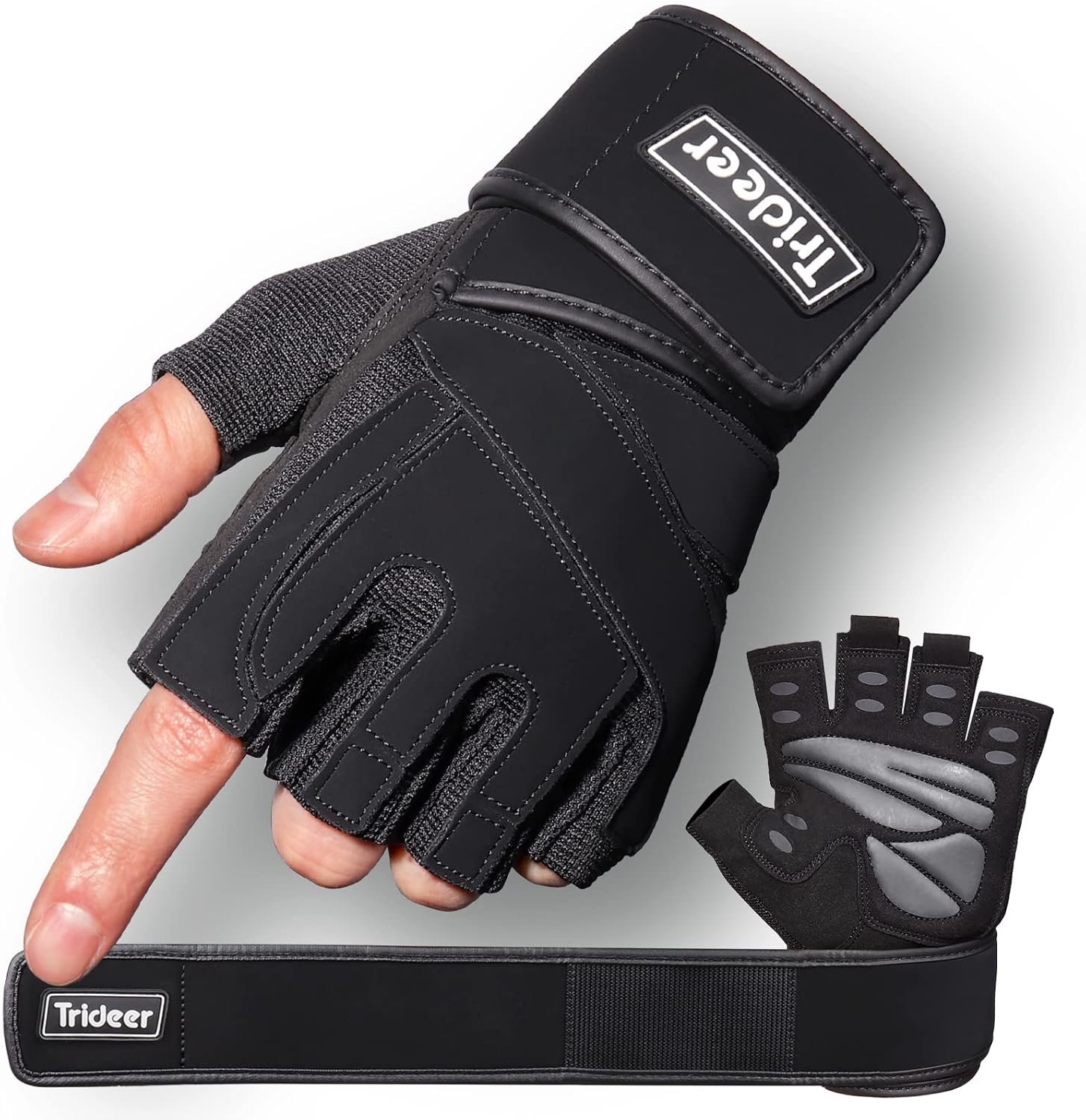
The Padded Weightlifting Gloves Built for Grip and Callus Prevention
This is one of Amazon’s top-rated weightlifting gloves in the $20–$45 range — featuring palm padding at high-contact zones, open-finger or half-finger design for bar feel, wrist wrap support, breathable mesh backing, and silicone grip strips for bar retention.
What makes quality weightlifting gloves:
- Palm padding at contact zones (not full palm coverage): padding exactly where the bar contacts prevents callus formation without eliminating feel
- Half-finger or fingerless design: full-finger gloves eliminate tactile feedback; half-finger design retains it
- Breathable mesh or perforated backing: palms sweat heavily during lifting — non-breathable gloves become uncomfortable within one set
- Wrist wrap integration: extended wrist support on the same glove eliminates carrying separate wraps
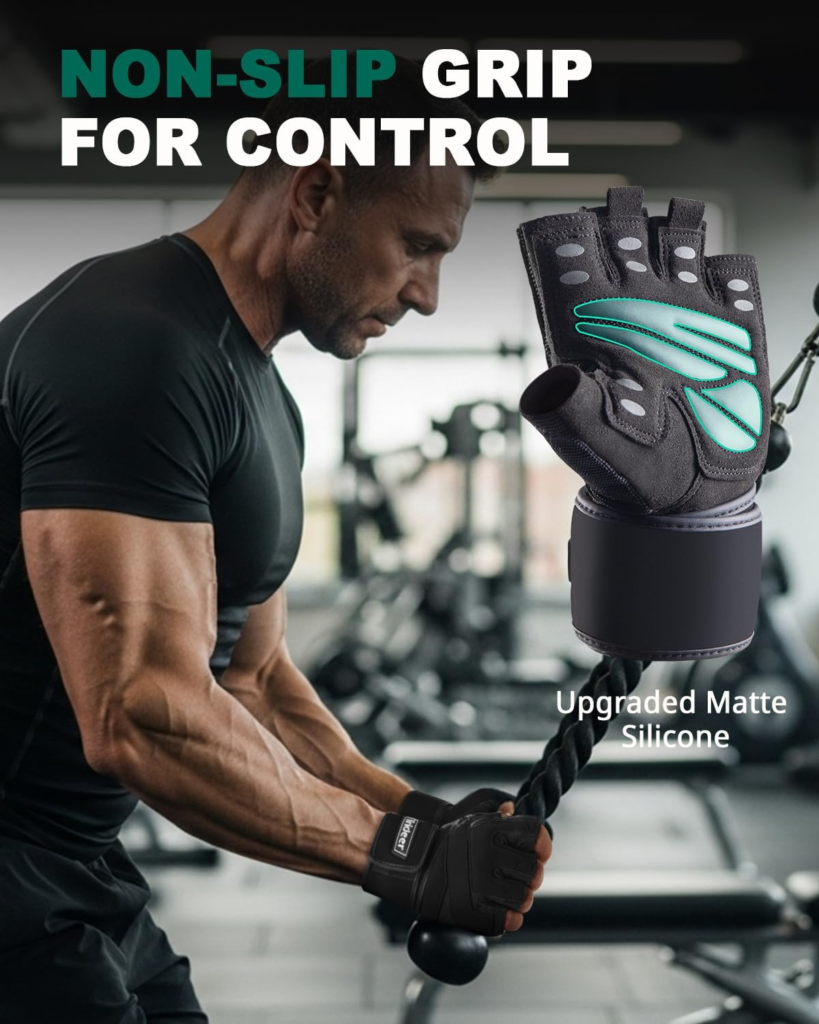
- Silicone grip dots or strips: prevent bar slip during sets without requiring death-grip tension
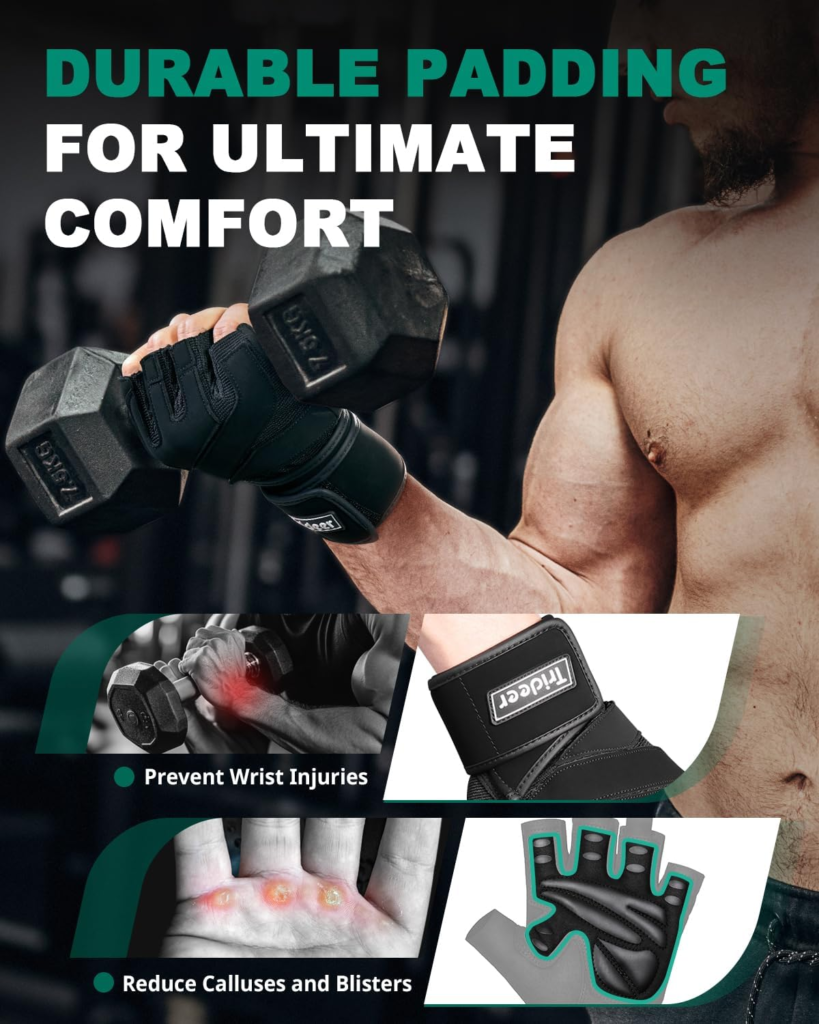
The Callus Formation Cycle and How Gloves Break It
Calluses form from shearing force — skin pinched and dragged across a rough surface repeatedly:
- Barbell knurling exerts shearing force on the palm during grip, pull, and press movements
- Initial callus formation is the skin’s protective response — thickening to resist the shearing
- Without intervention, calluses thicken past the point of protection and begin cracking — particularly in dry conditions or heavy pulling volumes
- Gloves add a buffer layer that absorbs the shearing force before it reaches skin — preventing the initial formation cycle
Weightlifting gloves pair directly with proper grip training progression. The science-backed guide to training for fat loss at home covers how to progress pulling movements like rows and deadlifts where grip becomes the limiting factor before back strength.
Before vs. After Using Weightlifting Gloves
Before:
- Calluses building within 4 weeks of consistent pulling movements
- Cracking and bleeding on deadlift days by month 3 — painful and requiring band-aids
- Hand maintenance required (pumice stone, lotion) to keep calluses manageable
- Grip failing on longer sets due to bar slip from sweat without grip aids
After:
- Callus formation stopped immediately after switching to gloves
- Existing calluses softened within 3 weeks of consistent glove use
- Wrist wrap integration handling wrist bracing without a separate accessory
- Silicone grip strips preventing slip on high-rep sets without chalk
When to Use Gloves and When to Train Bare
- Deadlifts, Romanian deadlifts, pull-ups, and bent-over rows: high knurling contact, highest callus risk — gloves most beneficial here.
- Bench press and overhead press: bar contact primarily at the fingers, not palm — gloves optional, some lifters prefer bare for feel.
- Dumbbell movements: smooth handle, lower callus risk — gloves less critical but still useful for preventing slip.
- Competition or testing: most powerlifters and Olympic lifters train bare for competition movements to ensure legal equipment and authentic grip feel. Keep bare-hand sessions in the training program.
- Conditioning circuits with high-rep kettlebells or pull-ups: gloves protect against acute skin tearing from volume — most beneficial here after deadlifts.
For a complete home gym setup that includes grip accessories alongside main equipment, the best home gym equipment for beginners guide covers the accessories — gloves, straps, chalk, bands — that complement free weights for a complete functional training environment.
Q&A: Weightlifting Glove Questions Lifters Ask
Q: Will gloves make my grip weaker over time?
Not meaningfully, if you also train bare-hand periodically. Grip strength comes from hand, forearm, and finger training — not from callus formation. Include occasional bare-hand sessions on lower-volume days to maintain raw grip strength while using gloves for high-volume days.
Q: How do I know what size weightlifting gloves to buy?
Measure the circumference around the widest part of your palm (knuckles, excluding thumb). Most manufacturers provide size charts: S (6.5–7″), M (7–7.5″), L (7.5–8″), XL (8″+). Gloves should fit snugly without restricting finger movement.
Q: Are wrist wraps built into gloves as effective as separate wraps?
For moderate support during standard lifting — yes, they’re sufficient. For maximum wrist support during very heavy pressing or Olympic lifting, dedicated wrist wraps with stiffer material provide more rigid support than integrated glove wraps. For most gym-goers, the integrated version is adequate.
Q: How long do weightlifting gloves last?
With regular use (3–5x/week), quality gloves typically last 6–12 months before padding compresses and material wears through at contact zones. Signs it’s time to replace: visible holes at palm padding zones, Velcro losing grip, or material thinning at the thumb web.
Final Take
Weightlifting gloves are a minor investment that solves a specific, consistent problem for high-volume lifters. If your hands bleed during deadlift sessions or your calluses require weekly maintenance, the problem is solved for under $30. Bare hands have their place; gloves have theirs.
Padded palm. Breathable back. Pull without pain.
Protect the hands. Train heavier. Calluses optional.
Affiliate disclosure: This article may contain affiliate links. If you purchase through them, HomeGymStarter.com may earn a small commission at no additional cost to you.