I did six months of home workouts on a cheap $12 mat. My knees paid for it.
Once I switched to a proper thick yoga mat, my wrist pain in planks disappeared, my knees stopped aching through lunges, and I stopped slipping during downward dog. The mat matters more than people think.
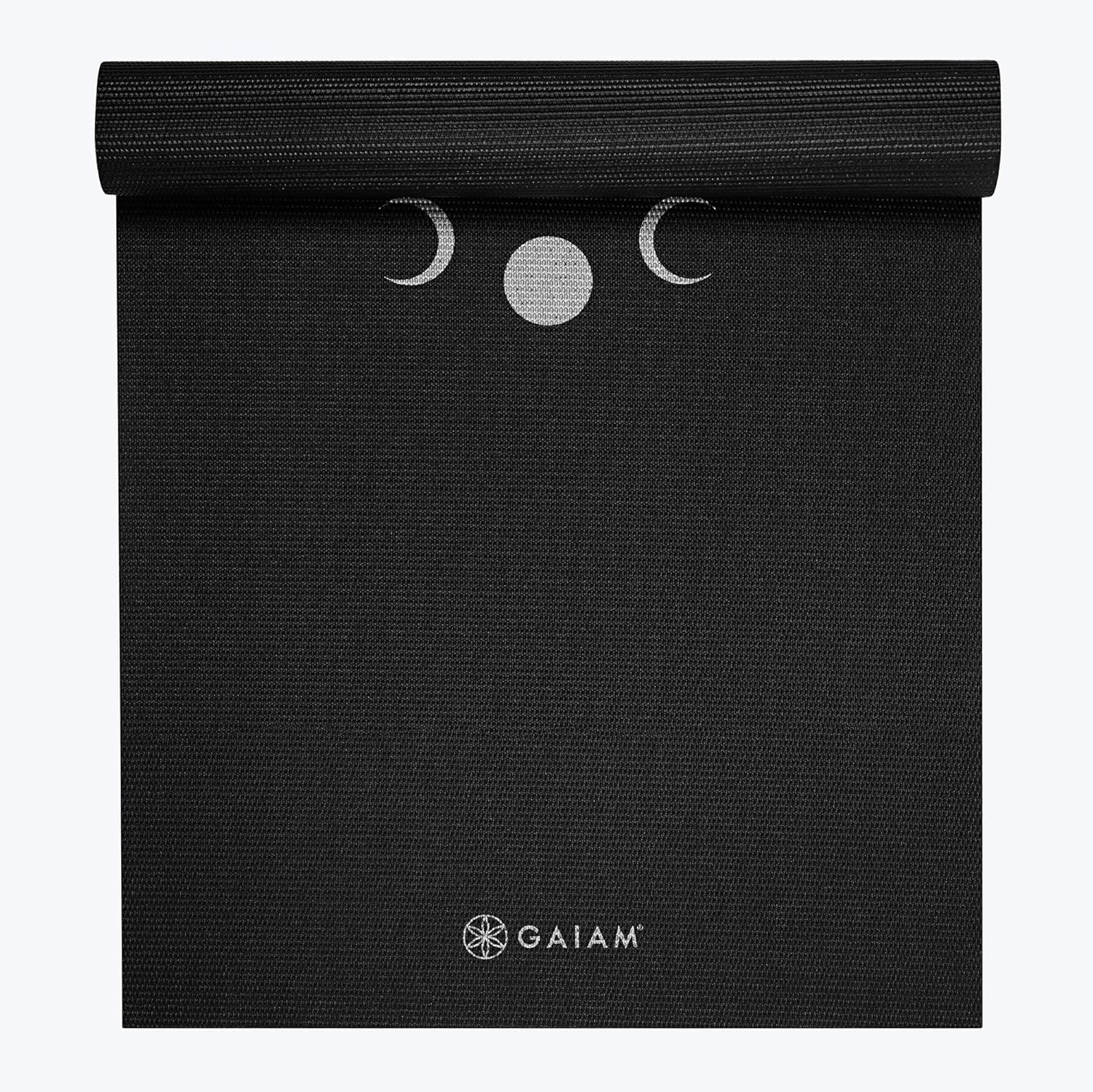
The Yoga Mat That Actually Supports Your Joints (multiple colors availible)
This is one of Amazon’s top-rated thick yoga mats in the $20–$40 range — designed for home workout users who need grip, cushion, and durability in one mat.
What sets a quality mat apart from a budget one:
- 6mm+ thickness for real joint cushioning on hard floors
- Non-slip textured surface on both sides
- High-density foam that doesn’t compress flat over time
- Alignment lines printed in the surface for accurate positioning
- Carrying strap included for storage and transport
👉 Click the yoga mat you’re reading about to see current pricing and thickness options on Amazon
More Than Yoga: What This Mat Is Actually Used For
Despite the name, a quality yoga mat is the foundation for much more:
- Yoga and stretching — obviously
- Pilates and core work — cushion matters for spinal rolls
- HIIT and circuit training — non-slip surface prevents accidents
- Push-up and plank work — wrist comfort depends on cushion quality
- Meditation and breathing practice — the non-slip keeps it in place
If you’re just getting started with a home setup, the guide on how to build a home gym in your bedroom walks through exactly what you need and in what order.
Before vs. After Upgrading Your Mat
Before ($12 thin mat):
- Wrist pain during any weight-bearing on hands
- Knee discomfort through lunge holds
- Slipping during transitions — constant readjustment
- Mat flattened and curled at the edges after 3 months
After (proper thick mat):
- Zero wrist pain during planks and push-ups
- Lunges and knee work feel completely different
- No slipping — stays in place even on hardwood
- Still performing well 18 months in
Yoga Mat Buying Tips Most People Get Wrong
- Thickness matters most for floor work — 4mm is minimum; 6mm is better for knees and wrists.
- Check the grip texture on both surfaces — bottom grip prevents the mat from sliding; top grip prevents you from sliding.
- Length matters — taller users should look for 72″ or 74″ mats rather than standard 68″.
- PVC mats are more durable; TPE and natural rubber are more eco-friendly but can wear faster.
- Don’t roll a damp mat — let it air-dry flat before storing to prevent mold in the core.
For a full-body training plan that gets the most from your mat, the beginner full body workout at home guide is a great starting point.
Q&A: Yoga Mat Questions Home Gym Users Ask
Q: Can I use a yoga mat on carpet?
Yes, though the non-slip bottom is less critical on carpet than on hardwood. A textured top surface still matters.
Q: How do I clean it?
Spray with a diluted vinegar or mat-specific cleaner and wipe down after each use. Air dry fully before rolling.
Q: Is 6mm too thick for balance poses?
Not meaningfully. The stability difference between 4mm and 6mm is minimal unless you’re doing advanced one-leg balance work.
Q: How often should I replace a yoga mat?
A quality mat lasts 1–3 years depending on use frequency. Replace it when the surface becomes slick or the foam stops rebounding.
Final Take
A quality yoga mat is the cheapest upgrade you can make to your home workout experience. It protects your joints, improves performance, and lasts years.
Don’t do your knees a disservice trying to save $20 on a thin mat.
Better cushion. Better grip. Better workouts.
Affiliate disclosure: This article may contain affiliate links. If you purchase through them, HomeGymStarter.com may earn a small commission at no additional cost to you.